I read that only about 8% of people who try a 5 AM wake-up actually stick with it past the first week. Eight percent. That number sat with me for a while, mostly because I'd already failed at it twice. So on a sticky Monday morning in June, I set my alarm for 4:55, laid out my running shoes by the door like some kind of wellness influencer, and told myself this time would be different.
Thirty days later, I have opinions. Strong ones. And a few things nobody mentions in those glossy "rise and grind" videos.
The First Week Is Not Magical—It's Miserable
Let's be honest about the honeymoon phase, because there isn't one.
The first three days, I felt like a productivity god. I was journaling before sunrise, drinking lemon water, watching the sky turn pink like a character in a coming-of-age film. By day five, the novelty curdled. I was tired by 2 PM, cranky by 6, and in bed by 8:30 like a grandmother at a wedding.
Here's what most people miss: the 5 AM routine only works if your bedtime moves too. You can't shave two hours off your sleep and expect your body to send you a thank-you card. I learned this the hard way, staring at my ceiling at 9 PM, wired and resentful.
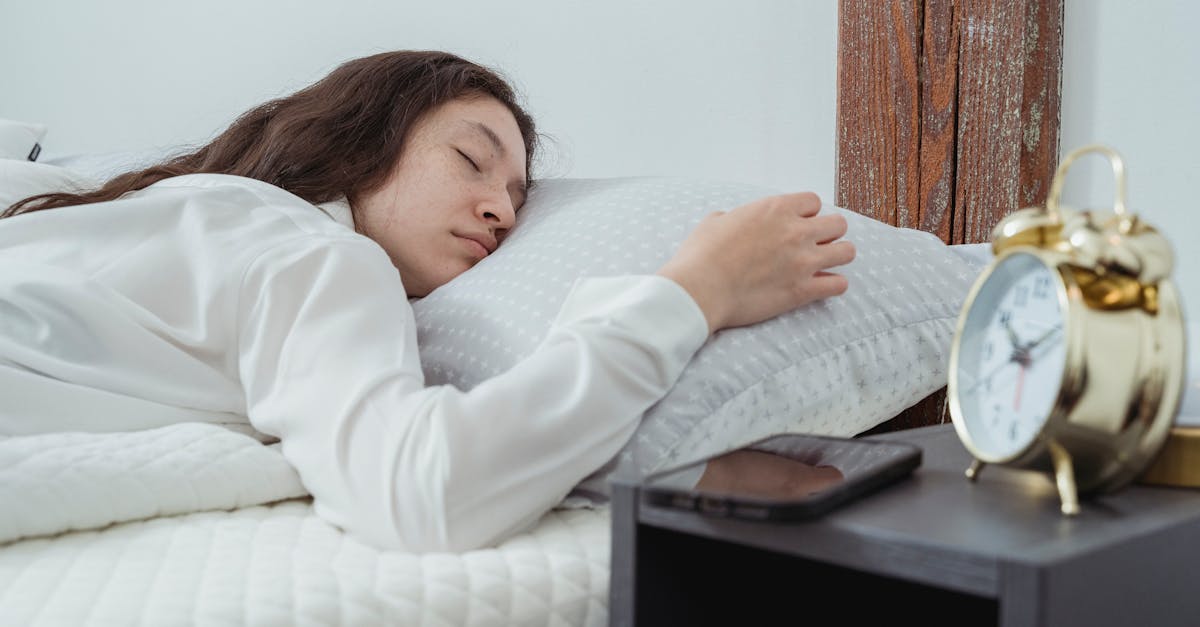
What Actually Happens to Your Body at 5 AM
I've found that the internet treats early rising like a personality trait. It's really just a circadian rhythm shift, and your body has feelings about it.
According to sleep researchers, your body temperature dips to its lowest around 4–5 AM, which is precisely when your willpower is also at rock bottom. Waking up then means fighting biology, not just a snooze button. The first two weeks, my cortisol (the stress hormone) felt like it was running a marathon while I was trying to do gentle yoga.
The fix? Light. I started stepping outside within ten minutes of waking—even just onto my porch with coffee. Morning light exposure is one of the most reliable ways to reset your internal clock, and honestly, it was the single biggest game-changer in my 30-day experiment. By week three, I was waking up before my alarm. I nearly fell over.
The Productivity Myth Nobody Warns You About
Here's the part that stung.
I expected to get a full extra workday out of my mornings. Instead, I got maybe 90 usable minutes before my brain started buffering. Those viral "5 AM routine" videos conveniently skip the part where your cognitive sharpness isn't fully online until your body temperature rises—usually a couple hours after you wake.
So I stopped trying to be a genius at 5:15 and started using that time for things that don't require peak focus:
- Movement (a walk or light stretch—nothing heroic)
- Planning (three priorities for the day, written by hand)
- Reading (actual books, not my phone)
- Silence (yes, sitting there doing nothing counts)
The magic wasn't in doing more. It was in having a buffer—a quiet hour before the world started demanding things from me. That buffer is the real 5 AM routine benefit, and nobody puts it in the thumbnail.

The Social Cost of Being Awake Before Everyone
I didn't anticipate this one at all.
Being a 5 AM person in a 7 AM world is lonely. My group chat was dead. My partner thought I'd lost my mind. I found myself explaining, "No, I'm not training for anything, I just... wake up early now," which sounds unhinged out loud.
There's also a quiet smugness risk. Around day 12, I caught myself judging friends who slept until 9 on a Saturday. That's not a personality upgrade—that's just being annoying. The 5 AM routine is a tool, not a moral badge. I had to actively remind myself that people with different schedules aren't lazy; they're just living on a different clock.
Would I Do It Again? The Honest Verdict
Thirty days in, here's where I landed: I kept the wake-up, but I loosened the grip.
I now get up around 5:15 on weekdays and sleep in on Sundays without guilt. I skip the elaborate cold-plunge-and-journal-stack routine. Some mornings I just drink coffee and stare out the window, and that's allowed.
The 5 AM routine taught me something bigger than discipline: morning routines are only useful if they protect something you actually care about. For me, that's an hour of quiet before the noise. For you, it might be a workout, a side project, or simply not starting your day in a panic.
If you're thinking about trying a 5 AM routine, here's my advice: don't copy someone's TikTok schedule. Build a morning that makes the 5 AM wake-up worth it. And if you fall asleep on the couch at 8 PM for the first week—congratulations, you're doing it right.
What's the one thing you'd actually want to do with an extra hour in the morning? Sit with that question before you set the alarm. The answer matters more than the time on the clock.